

Indian Chutneys and Dips Explained: Mint, Tamarind, Mango and More
If you have ever ordered Indian food, you have probably noticed the colorful little bowls of chutney that arrive alongside your samosas, pakoras, papadums, or other dishes. They may look like simple sauces, but in Indian cuisine, chutneys play a much bigger role.
Chutneys are essential flavor balancers. They can add freshness, sweetness, acidity, heat, spice, creaminess, or a cooling contrast to a dish, turning a good bite into a memorable one.
From the bright green mint chutney found at Indian restaurants to deep, sweet-and-tangy tamarind chutney and fruity mango chutney, every variety brings something different to the table.
In this guide, we will explain some of the most popular Indian chutneys and dips, what they taste like, what ingredients they contain, and the best ways to enjoy them.
What Are Indian Chutneys?
Indian chutneys are flavorful accompaniments made from combinations of fresh herbs, fruits, vegetables, spices, chilies, nuts, coconut, tamarind, and other ingredients.
Unlike a traditional sauce that is always designed to coat a dish, chutney can be used in many different ways. It can be served as a dipping sauce, spooned over street food, paired with grilled meats, spread into sandwiches, or enjoyed alongside rice and bread.
The beauty of Indian chutneys is their balance. A spicy fried snack might become more refreshing with mint chutney, while a tart chutney can add sweetness and acidity to balance rich or savory foods.
Mint-Cilantro Chutney: The Bright and Fresh Green Chutney
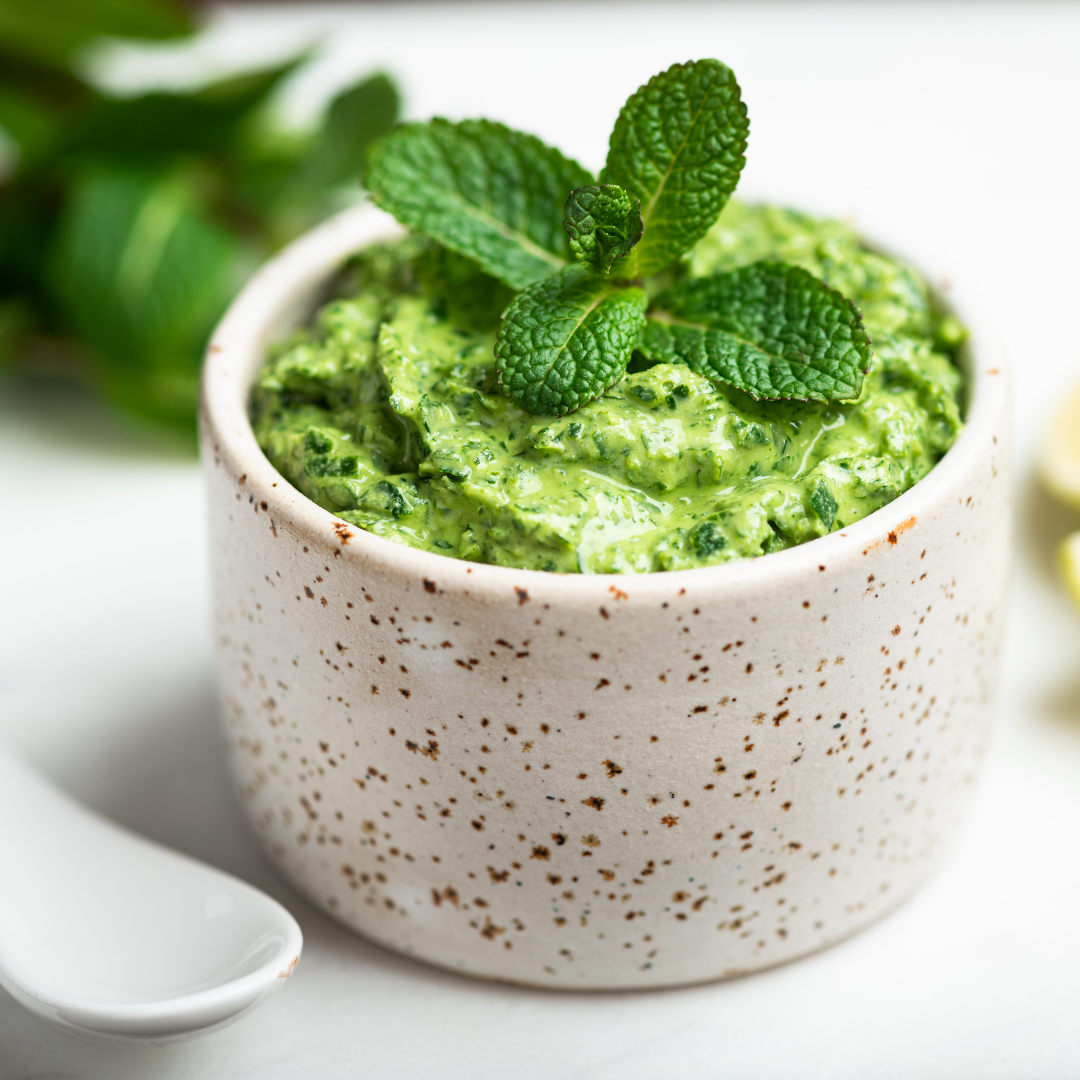
What Is Mint-Cilantro Chutney?
Known as hari chutney, meaning green chutney, mint-cilantro chutney is one of the most recognizable Indian sauces.
Its vibrant green color comes primarily from fresh mint and cilantro, while ingredients such as green chilies, lemon juice, ginger, garlic, and spices can add additional layers of flavor.
Depending on the recipe, the chutney may also contain amchoor, or dried mango powder, which provides a pleasant tanginess.
What Does Mint Chutney Taste Like?
Fresh and herbaceous are the first impressions.
Then you may notice citrusy acidity, followed by a gentle or intense chili heat depending on the recipe. The combination creates a refreshing contrast to fried, grilled, or heavily spiced foods.
If you have ever wondered what the green sauce at Indian restaurants is, there is a good chance you were looking at some version of mint-cilantro chutney.
What Goes Well With Mint Chutney?
Mint chutney is incredibly versatile.
Samosas
Pakoras
Tandoori chicken
Seekh kebabs
Tandoori vegetables
Papadums
Indian sandwiches and wraps
Grilled meats
It is particularly delicious with something hot and crispy. A freshly fried samosa dipped into cool, spicy mint chutney creates an immediate contrast of textures and temperatures.
Tamarind-Date Chutney: The Sweet and Tangy Classic
What Is Tamarind Chutney?
Tamarind chutney, often called imli chutney or saunth, is famous for its deep brown color and sweet-and-sour flavor.
Traditional versions can combine tamarind pulp, jaggery, dates, cumin, ginger, chili, and other roasted spices.
The result is a chutney with much more complexity than simple sweetness.
What Does Tamarind Chutney Taste Like?
Imagine a combination of sweet, sour, fruity, and gently spiced flavors.
Tamarind provides the characteristic sharp acidity, while jaggery or dates add natural sweetness. Roasted cumin and other spices give the chutney warmth and depth.
This makes tamarind chutney one of the most popular choices for balancing spicy and savory Indian foods.
What Goes Well With Tamarind Chutney?
Tamarind chutney is especially popular with Indian street food and snacks.
Samosas
Pakoras
Papadums
Chaat
Dahi puri
Aloo tikki
Fried snacks
Grilled meats
Try combining it with mint chutney. The sweet and tangy tamarind balances the fresh heat of mint and green chili, creating a more complex bite.
Mango Chutney: The Fruity and Spiced Favorite
What Is Mango Chutney?
Mango chutney is made from mangoes combined with spices and sweet or acidic ingredients.
There are many different styles. Some are thick, sweet, and jam-like, while others use raw green mangoes for a sharper, more tart flavor.
The style commonly associated with Indian restaurants outside India tends to be sweet and fruity, while regional Indian preparations can range from sweet to sour, spicy, or intensely tart.
What Does Mango Chutney Taste Like?
The flavor depends heavily on the mango and preparation.
A ripe-mango chutney can be sweet, fruity, rich, and jammy, while a green-mango version can be much more tart and vibrant.
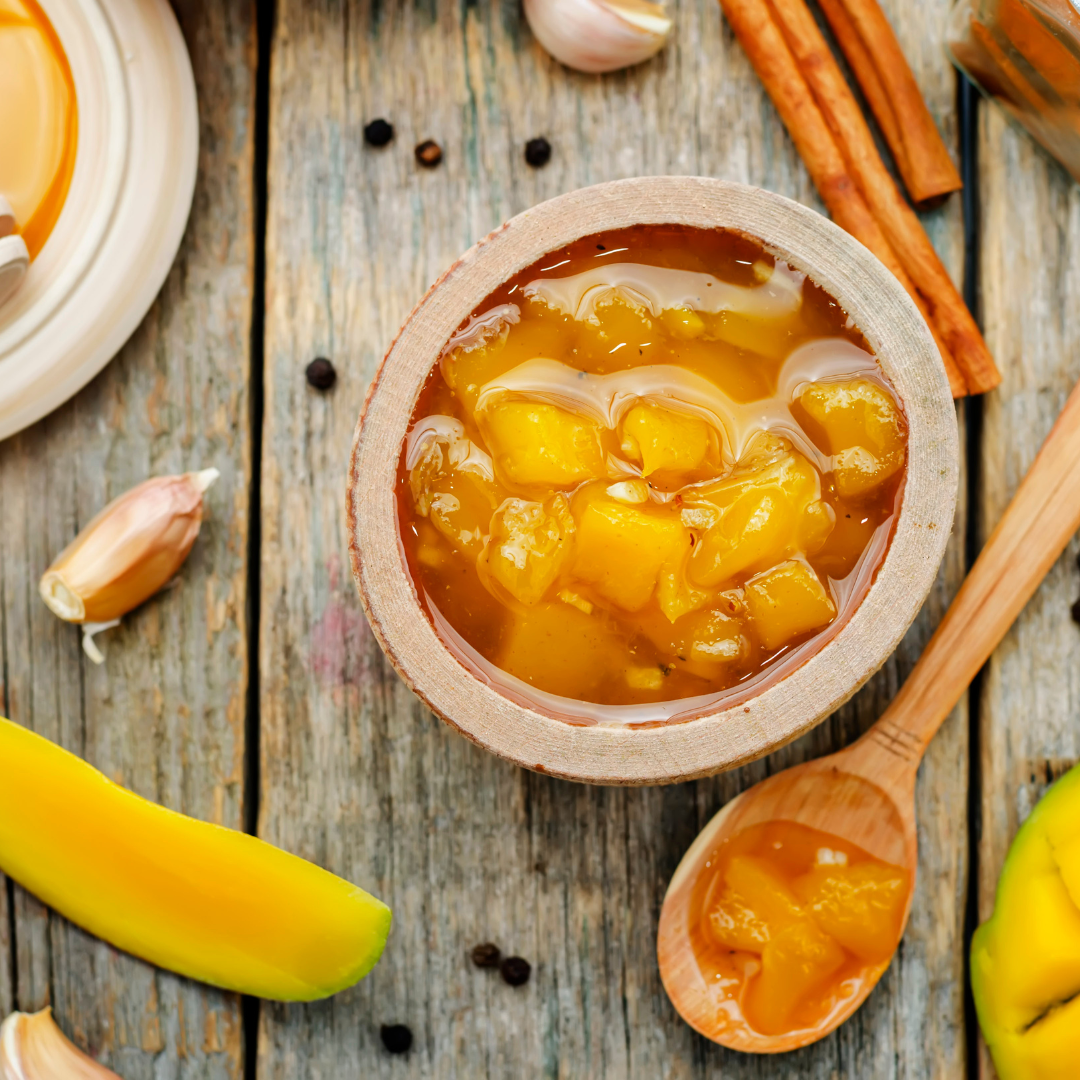
Spices such as cumin, chili, ginger, mustard seeds, or other regional seasonings can add another layer of complexity.
What Goes Well With Mango Chutney?
Mango chutney is a classic partner for many Indian dishes.
Papadums
Curries
Grilled chicken
Roasted meats
Cheese
Indian breads
Rice dishes
It can also work beautifully beyond Indian cuisine. A spoonful of authentic mango chutney alongside a cheese board or roasted meat can add sweetness, acidity, and spice.
Coconut Chutney: The Creamy and Nutty South Indian Favorite
What Is Coconut Chutney?
Coconut chutney, or nariyal chutney, is a South Indian staple made primarily with fresh coconut.
Unlike the sharper flavor of mint or tamarind chutney, coconut chutney is typically mild, creamy, nutty, and cooling.
It is commonly blended with ingredients such as green chilies, ginger, and roasted lentils, then finished with a tempering of mustard seeds, curry leaves, and dried red chilies.
What Does Coconut Chutney Taste Like?
Fresh coconut gives it a naturally creamy and slightly sweet character.
The tempering introduces a savory, aromatic quality, while chilies provide heat. The result is a refreshing accompaniment that pairs beautifully with South Indian dishes.
What Goes Well With Coconut Chutney?
Coconut chutney is particularly associated with:
Dosas
Idlis
Vada
Uttapam
South Indian breakfast dishes
Savory rice dishes
The combination of a crisp dosa, warm filling, and cool coconut chutney is one of the classic experiences of South Indian cuisine.
Why Fresh Ingredients Matter in Indian Chutneys
A great chutney depends on more than a recipe.
The freshness of the ingredients can dramatically affect the final flavor. Fresh mint has a much brighter aroma than dried herbs. Fresh cilantro provides a distinctive green fragrance, while freshly squeezed citrus delivers a livelier acidity.
The same principle applies to tamarind, mangoes, coconut, chilies, and spices.
Chef SJ's Approach to Chutneys
At SJ Curry Club, Chef SJ focuses on creating food that delivers layers of flavor rather than simply adding heat.
Fresh ingredients, balanced seasoning, and careful preparation help each chutney complement the dish it accompanies.
For a culinary experience, the chutney should not overpower the food. It should enhance it.

That balance between the main dish and its accompanying flavors is one of the details that can make Indian cuisine so exciting.
The Chef's Secret: Try Mixing Your Chutneys
One of the best ways to appreciate Indian chutneys is not to choose just one.
Take a bite of a crispy samosa and dip it into mint-cilantro chutney. Then add a little tamarind-date chutney.
The result brings together:
Fresh herbs
Green chili heat
Sweetness
Tamarind acidity
Warm spices
Crispy texture
The two chutneys complement each other rather than competing.
This simple combination is a perfect example of how Indian cuisine uses contrasting flavors to create balance.
Indian Sauces Explained: Which Chutney Should You Try?
If you are new to Indian food, choosing between several colorful sauces can be confusing.
Here is a simple guide:
Choose Mint Chutney If You Want Something Fresh and Spicy
Go for mint-cilantro chutney when you want herbaceous freshness, citrusy tang, and chili heat.
It is especially good with samosas, kebabs, pakoras, and grilled foods.
Choose Tamarind Chutney If You Like Sweet and Sour Flavors
Tamarind-date chutney is ideal if you enjoy sweet, tangy, fruity, and spiced flavors.
It is an excellent choice for samosas, chaat, and fried snacks.
Choose Mango Chutney If You Prefer Fruity Flavors
Mango chutney brings sweet, fruity, spicy, or tart flavors, depending on the preparation.
Try it with papadums, curries, roasted meats, or even cheese.
Choose Coconut Chutney If You Want Something Creamy and Cooling
Coconut chutney is a great choice when you want something mild, creamy, nutty, and refreshing.
Pair it with dosas, idlis, and vada for a classic South Indian combination.
More Than a Side Dish: The Role of Chutney in Indian Cuisine
Chutneys demonstrate one of the defining characteristics of Indian cooking: the use of contrasting flavors to create balance.
A rich curry can benefit from acidity. A crispy fried snack can be lifted by freshness. A spicy dish can be complemented by something sweet or cooling.
That is why chutney is not simply an extra bowl placed on the side of your plate.
It is part of the complete flavor experience.
Experience Authentic Indian Chutneys at SJ Curry Club
You do not have to spend hours grinding herbs, roasting spices, or preparing tamarind to experience the depth of authentic Indian flavors.
At SJ Curry Club, Chef SJ brings together Indian culinary traditions with international and modern influences, creating memorable dining experiences in Turks and Caicos.
Whether you are enjoying a restaurant meal, planning a private chef experience, or arranging catering for a special event, flavorful chutneys can add an essential finishing touch to the menu.
From bright green mint chutney and sweet-tangy tamarind to fruity mango and creamy coconut, each dip tells a different story.
The next time you see several colorful bowls arrive with your Indian meal, don't think of them as simple side dishes. Taste them individually, combine them, and discover how much flavor can fit into one small bowl.